
The $15 Monthly Checklist for a 300,000 km Car
By Rav ·
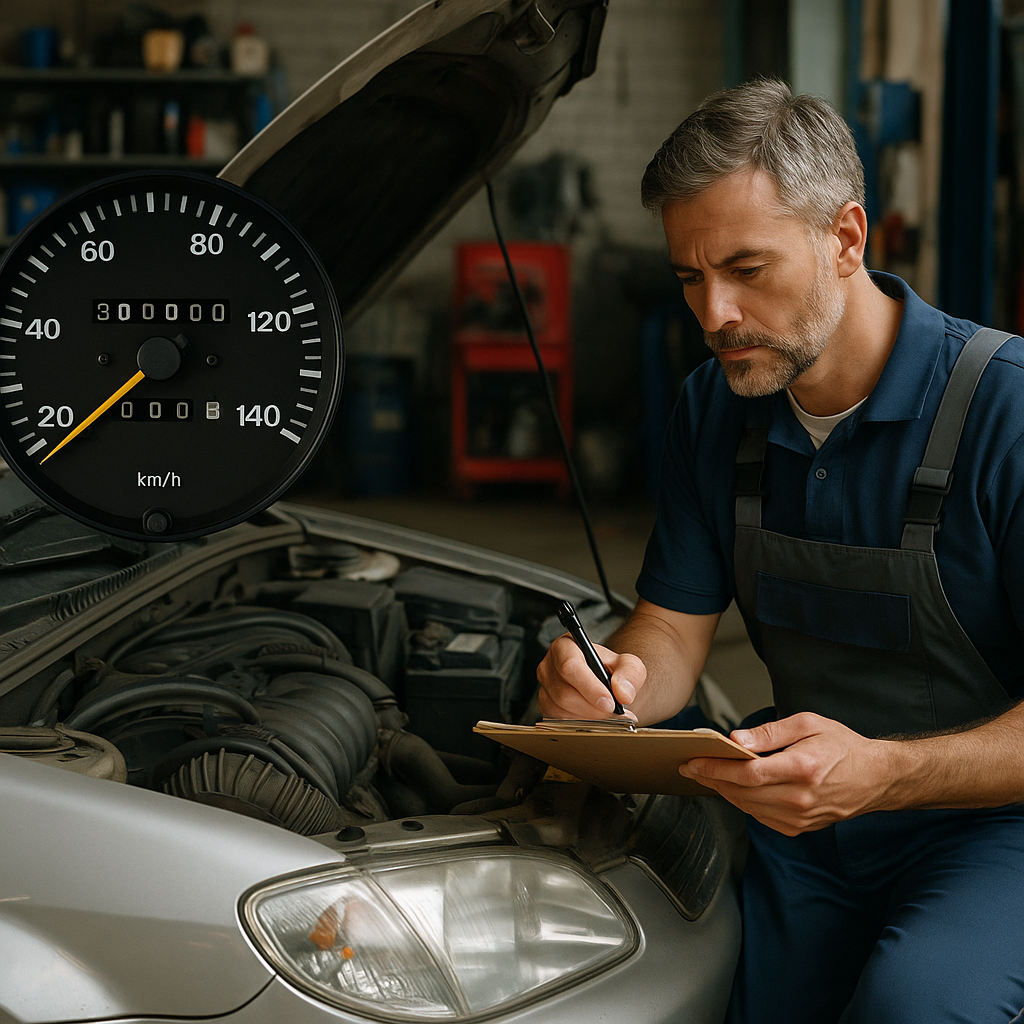
High-kilometre vehicles aren’t just about luck—they’re about consistency. A simple monthly routine can prevent the small issues that quietly shorten engine life, accelerate rust, or lead to expensive repairs. The good news: most of the habits that protect a car past 300,000 km cost very little, especially if you shop smart and buy consumables in bulk.
This checklist is designed for Ontario drivers dealing with real-world conditions: temperature swings, salty winter roads, potholes, and long highway commutes. The target budget is about $15 per month on average. Some months you’ll spend nothing; others you’ll replace a wiper or top up washer fluid. The payoff is fewer surprises, better fuel economy, safer driving, and a vehicle that holds up year after year.
## What “$15 Monthly” Really Means
The $15 figure isn’t a strict cap each month—it’s an average that assumes you spread low-cost preventive items across the year. Think of it as a small “maintenance subscription” you pay to yourself.
Typical low-cost items that fit the budget include:
Washer fluid (winter-rated in cold months)
A bottle of engine oil for top-ups (as needed)
A tire pressure check (free) and occasional air top-up (often free)
Wiper inserts or a set of wipers once or twice a year
A cabin air filter (every 12 months for many vehicles)
A bottle of silicone spray for door seals (optional, but helpful)
Not included in the $15 are your scheduled services like oil changes, brake jobs, or tire replacements. Those still matter, but this checklist helps you avoid “secondary damage” that makes routine jobs turn into major repairs.
## Under the Hood: Fluids and Belts in 10 Minutes
Monthly checks under the hood catch slow leaks, early overheating risks, and the kind of neglect that can turn a healthy engine into a high-mileage problem.
Engine oil level
Check on level ground with the engine off for a few minutes. If the dipstick shows the level drifting down month over month, you’ve learned something valuable early. Many engines consume some oil as kilometres add up; topping up is far cheaper than running low. If you need more than about a litre between oil changes, ask a technician to check for leaks or consumption concerns.
Coolant level
Look at the coolant reservoir (never open a hot radiator cap). Low coolant can lead to overheating, and overheating is one of the fastest ways to shorten engine life. If the level drops repeatedly, it’s not “normal”—it’s a leak until proven otherwise.
Brake fluid and power steering fluid (if equipped)
Brake fluid should stay between the marks and look reasonably clear. A sudden drop can indicate pad wear or a leak. Some vehicles use electric power steering and won’t have a reservoir; if yours does, check the level and look for wetness around hoses.
Battery health check
Look for corrosion on terminals (white/green crust), loose connections, or a battery that appears swollen. In Ontario winters, a marginal battery can strand you. Cleaning terminals and tightening connections are small actions that prevent no-start mornings.
Belts and visible hoses
You’re not looking to diagnose like a technician—just scan for obvious cracks, fraying, glazing, or wetness. If a belt looks worn, replace it before it fails. A broken belt can take out charging, cooling, and steering assistance depending on the vehicle.
## Tires and Brakes: The Wear Items That Quietly Cost You
Tires and brakes don’t just affect safety—they affect fuel economy, ride quality, and the health of your suspension. Monthly attention helps you spot uneven wear early, which often points to alignment or suspension issues.
Tire pressure
Check pressures when tires are cold. Many vehicles lose a few PSI as temperatures drop, and underinflation increases fuel consumption and tire wear. It can also make handling less predictable on wet or snowy roads.
Tread and sidewall scan
Look for uneven wear, bulges, nails, or cracks. If the inside edge is wearing faster than the outside, you may have an alignment issue. Catching it early can save a set of tires.
Brake check during driving
On a quiet road, notice whether braking feels smooth and straight. Listen for grinding, squealing, or a metallic scrape. A brake pad replaced on time is routine; a pad ignored can destroy rotors and calipers, turning a basic job into a much bigger bill.
Quick suspension feel
If you’re hearing new clunks over bumps, feeling vibration at highway speed, or noticing the car “floats” more than usual, note it and book an inspection. Suspension problems often start small and slowly ruin tires if ignored.
## Visibility, Lights, and Wipers: Cheap Fixes That Prevent Close Calls
In Ontario, visibility is a maintenance category. Slush, road spray, early sunsets, and freezing rain punish wipers, washer systems, and lighting.
Washer fluid
Use season-appropriate fluid. Winter-rated washer fluid helps prevent frozen lines and improves clearing on salty roads. Keep the reservoir topped up—running out during a storm is more dangerous than most drivers realize.
Wipers
If you see streaking, chatter, or missed sections, replace the inserts or blades. Many drivers wait too long and end up with smeared visibility at the worst possible time.
Exterior lights
Once a month, do a quick walk-around: headlights (low and high), brake lights, reverse lights, turn signals, and plate lights. A burned-out bulb is inexpensive, but it can create safety risks and attract unwanted attention.
Windshield condition
Small chips can turn into long cracks with temperature swings. If you spot a fresh chip, get it repaired quickly—repairs are often far cheaper than replacement and can prevent spreading.
## Rust Prevention and Winter Readiness in Ontario
If you want 300,000 km in Ontario, corrosion control is a strategy, not an afterthought. Rust is often what ends a vehicle’s life before the engine does.
Monthly rinse, especially after salt
A basic rinse of the wheel wells and underbody area helps. You don’t need a full detail—just removing salt reduces corrosion. Pay attention after major storms and temperature swings when roads are heavily treated.
Door seals and hinges
If doors creak or seals stick in freezing conditions, a light application of silicone spray on weatherstripping can help prevent tearing and reduce wind noise. Lubricate hinges and latches if they start to feel dry.
Floor mats and moisture
Wet carpets accelerate rust from the inside out and create odour and electrical issues. Shake out mats, dry them when they’re soaked, and make sure snow isn’t melting into the carpet daily.
Listen for changes
New noises and smells matter. A sweet smell can indicate coolant; a burning smell could be oil or electrical; a musty smell can point to moisture buildup. Noting changes early often prevents expensive follow-up damage.
## Your Monthly Routine and When to Book Service
The secret to a long-lasting vehicle is turning maintenance into a habit and knowing when a simple check becomes a “book it in” issue.
A practical monthly routine:
1) Set a reminder (same day each month)
2) Check tire pressure and do a quick tire walk-around
3) Top up washer fluid if needed
4) Check engine oil and coolant levels
5) Walk around the car and confirm lights
6) Note anything new: leaks on the driveway, vibrations, smells, warning lights
When to book an appointment sooner rather than later:
Repeated oil or coolant top-ups
Any overheating sign, even once
Brake noise, pulsing, or pulling
A persistent vibration at highway speed
A check engine light that stays on
Visible fluid leaking under the vehicle
The goal isn’t perfection—it’s trend-spotting. A car that reaches 300,000 km usually has one thing in common: small problems didn’t get the chance to become big ones.
If you’re unsure what’s normal for your vehicle, a quick inspection can create a baseline. Once you know what “healthy” looks like, the $15 monthly checklist becomes an easy rhythm that keeps your car dependable, efficient, and ready for the next Ontario season.