
Brake Pad Replacement: Warning Signs And Honest Costs
By Rav ·
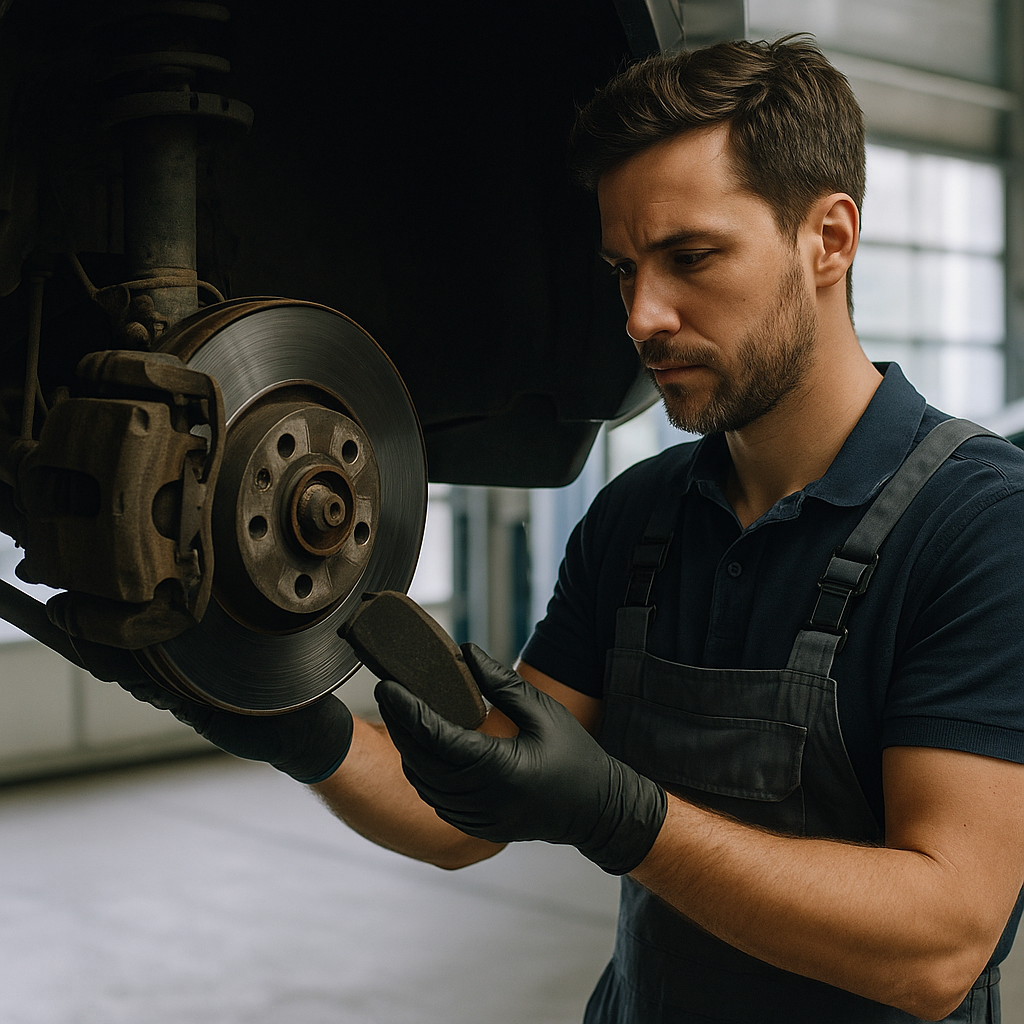
Brake pads are one of the most important wear items on your vehicle. They’re designed to sacrifice themselves so your rotors, calipers, and tires can do their jobs safely. In Ontario’s mix of stop-and-go commuting, winter road grime, and highway speeds, brake pads can wear faster than many drivers expect.
The challenge is that brake wear doesn’t always feel dramatic until it’s overdue. Catching the early warning signs can prevent rotor damage, keep stopping distances short, and save you money. Below are the most common signs you may need brake pad replacement and what a realistic, honest bill usually looks like.
## Common Warning Signs Your Brake Pads Are Worn
A high-pitched squeal when braking is the classic early alert. Many pads include a small wear indicator tab that intentionally squeaks once the pad is getting thin. It may come and go at first, especially in damp weather, but it’s worth booking an inspection.
Grinding is different. If you hear a harsh metal-on-metal sound, the friction material may be gone and the backing plate is contacting the rotor. At that point, pads are no longer the only part of the job—rotors are often damaged and replacement becomes much more likely.
Vibration or pulsation through the brake pedal can indicate rotor thickness variation or warping, but it can also happen when pads are severely worn or unevenly deposited. If the pedal feels like it’s pushing back or “thumping” under light braking, don’t ignore it.
A longer stopping distance or a brake pedal that feels softer than normal is another red flag. While a spongy pedal can be related to brake fluid, hoses, or air in the system, worn pads can contribute to poor braking feel and reduced confidence.
Pay attention to warning lights, too. Some vehicles have pad wear sensors that trigger a message or brake warning light. That said, not every vehicle has sensors on all wheels, and lights can also indicate other issues. A light should lead to inspection, not assumptions.
Finally, look at your wheels. Excessive dark brake dust on one wheel can suggest a caliper that’s sticking and wearing pads quickly on that corner. A pull to one side under braking can point to uneven braking force, sometimes caused by a seized caliper slide or uneven pad wear.
## How Long Brake Pads Typically Last In Ontario
There’s no single mileage number that fits every driver. Pad life depends on your route, driving style, vehicle weight, and the pad compound. Frequent short trips, heavy traffic, and lots of hard stops generally shorten pad life. Highway cruising with gentle braking tends to extend it.
As a broad guideline, many drivers see front pads wear faster than rear pads because the front brakes do most of the work. However, on some newer vehicles with electronic brake distribution and stability control, rear pads can wear sooner than expected.
Winter conditions matter. Salt and slush can accelerate corrosion around caliper hardware, leading to sticking components that cause uneven wear. If you notice one pad worn much thinner than the one beside it on the same wheel, that’s often a hardware or caliper issue, not simply “normal wear.”
A practical approach is to have pads measured during tire rotations or seasonal wheel swaps. Measuring remaining pad thickness in millimetres is far more reliable than guessing by feel.
## What Happens If You Wait Too Long
Delaying brake pad replacement can turn a routine service into a more expensive repair. Once pads wear down to the backing plate, the rotor surface can be scored or overheated. That can require rotor replacement instead of resurfacing, and on many modern vehicles rotor replacement is the standard approach.
Overheated brakes can also lead to glazing, fade, and a burning smell, especially after a long downhill or repeated stops. That’s not just uncomfortable—it can be unsafe, and it often indicates the braking system is operating outside its intended range.
Worn pads can strain calipers as the piston extends farther than normal. In extreme cases, this can contribute to seal wear or cause the caliper to stick. A sticking caliper may keep the pad dragging on the rotor, creating heat, premature wear, and potentially damaging wheel bearings over time.
Bottom line: replacing pads on time is one of the best maintenance decisions you can make, because it reduces the chance you’ll need rotors, calipers, or other components.
## Honest Costs For Brake Pad Replacement
Brake pricing varies because not all vehicles use the same pad size, hardware, or rotor design, and not all brake jobs include the same work. In Ontario, most brake pad replacements fall into a few realistic ranges.
For brake pads only on one axle (front or rear), many vehicles land in the roughly $200 to $450 range installed. This typically includes parts and labour, and may include basic cleaning and lubrication of contact points. Higher-performance pads or premium brands can push the price upward, as can vehicles that require more labour time.
For pads and rotors on one axle, a common range is about $450 to $900 installed. If rotors are heavily rusted, undersized, or below minimum thickness, replacement is often recommended. Some vehicles have rotors integrated with bearings or use more expensive rotor designs, which can increase parts cost.
For a full brake job on all four wheels (pads and rotors), many drivers see totals from around $900 to $1,800. Larger SUVs, trucks, luxury vehicles, and some hybrids can exceed that depending on component pricing and complexity.
Taxes, shop supplies, and environmental fees can affect the final invoice. So can hardware. It’s common to recommend new abutment clips, shims, or a hardware kit when replacing pads, especially if corrosion is present. Skipping hardware can lead to noise, sticking, and uneven wear, which means you may be paying twice.
If the vehicle needs additional work, costs can change quickly. A sticking caliper, seized slide pins, swollen brake hose, or a parking brake mechanism issue can add to the bill. This is why a proper inspection matters: two vehicles with the same mileage can have very different brake conditions.
When you request pricing, ask what’s included. A clear quote should specify whether it’s pads only or pads and rotors, whether hardware is included, and whether the shop will measure rotor thickness and check caliper operation.
## How To Get A Fair Quote And Avoid Unnecessary Upsells
A fair brake recommendation is based on measurable wear and visible condition. Ask for the remaining pad thickness in millimetres and the rotor measurements compared to the manufacturer’s minimum specification. This keeps the conversation factual.
Ask to understand the “why” behind rotor replacement. Rotors may need replacement due to scoring, heat spots, excessive rust on the braking surface, pulsation, or being below spec. If rotors are within spec and in good condition, some shops may offer resurfacing, though availability and manufacturer guidance vary.
Discuss your priorities. If you want quiet braking and low dust, say so. If you prioritize longevity, mention your driving pattern. There are legitimate differences between economy pads, OEM-equivalent pads, and premium compounds. The right choice depends on your vehicle and expectations.
Also consider the value of preventative maintenance. Cleaning and lubricating caliper slides, properly torquing wheels, and using quality hardware can reduce noise and uneven wear. These steps aren’t “extras” when done correctly—they’re what helps your new brakes last.
If you’re hearing noise only in wet weather, or if the vehicle has been sitting, a quick inspection can help determine whether it’s normal surface rust or true pad wear. Getting a professional assessment before parts are ordered is the best way to avoid replacing components you don’t need.
## The Takeaway For Ontario Drivers
Brake pad replacement is a predictable maintenance item, but the costs are only “honest” when the recommendation matches the condition of the system. Squealing, grinding, vibration, longer stopping distances, and warning lights are all signs it’s time to book an inspection.
Replacing pads early is usually less expensive than waiting until rotors are damaged. If you’re unsure where you stand, have your brakes measured and ask for a clear quote that spells out parts, labour, and what’s included. It’s the simplest way to protect your budget and your safety on Ontario roads.