
OMVIC 101: What Ontario Car Buyers Need to Know
By Rav ·
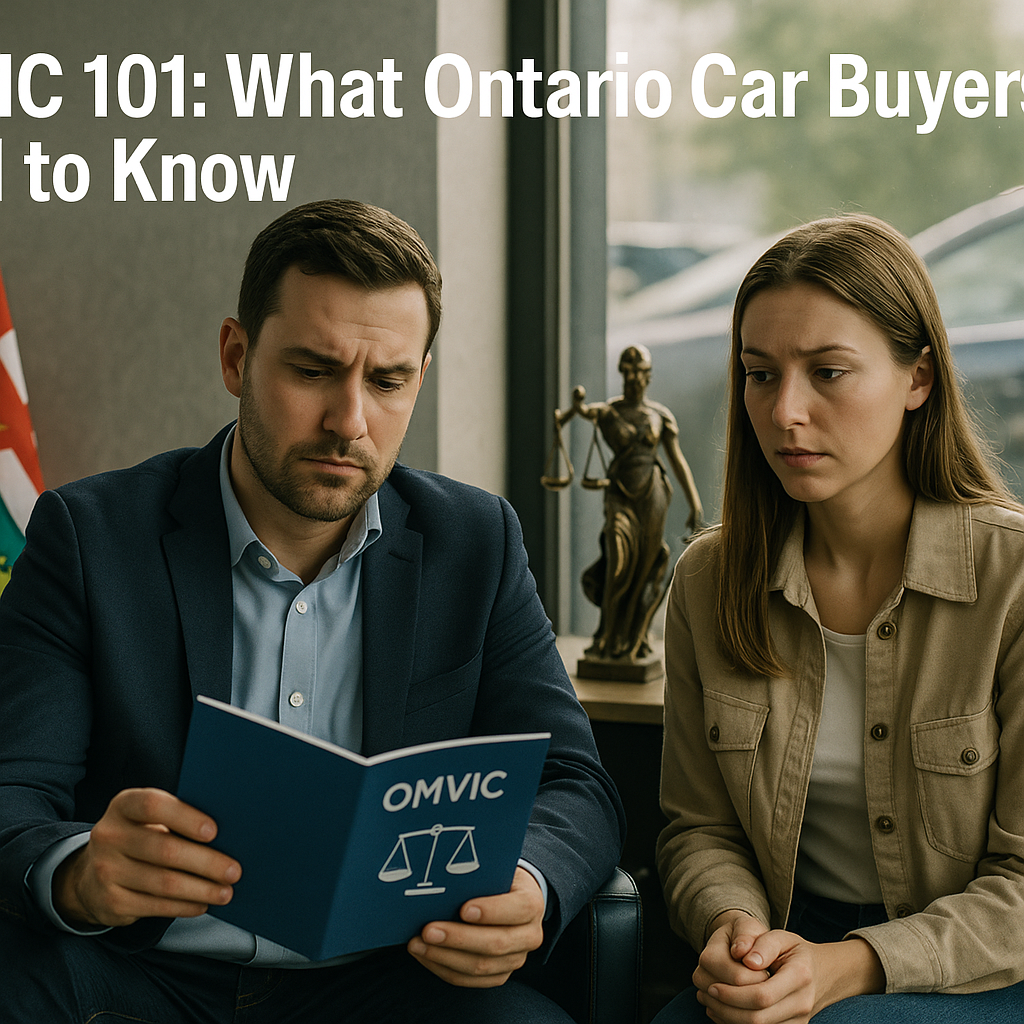
Buying a vehicle is one of the biggest purchases many Ontarians make, and it comes with real risk if you don’t know the rules. That’s where OMVIC comes in. OMVIC stands for the Ontario Motor Vehicle Industry Council, the regulator that oversees motor vehicle sales in Ontario under the Motor Vehicle Dealers Act (MVDA). Its role is to help ensure dealers follow the law, advertising is truthful, and consumers have clear information before committing to a purchase.
This guide explains what OMVIC does, what it means when a dealer is “OMVIC-registered,” and the practical protections every buyer should understand—especially around pricing, disclosures, and paperwork.
## What OMVIC Is and Why It Matters
OMVIC is not a dealership group and it doesn’t sell cars. It’s the provincial authority that registers dealers and salespeople, enforces Ontario’s rules for vehicle sales, and provides consumer information. If you’re buying from an OMVIC-registered dealer, that dealer must meet specific standards and follow specific legal requirements that are designed to protect consumers.
In day-to-day terms, OMVIC oversight matters because it sets baseline expectations for how vehicles are advertised, how pricing is presented, and what must be disclosed to a buyer. It also creates a formal complaint pathway if you believe an OMVIC-registered dealer didn’t meet their obligations.
It’s important to note that OMVIC rules primarily apply to purchases from registered dealers. Private sales between individuals are not governed the same way, which is one reason private purchases can carry higher risk.
## How to Confirm a Dealer Is OMVIC-Registered
Before you visit a dealership—or certainly before leaving a deposit—confirm the seller is an OMVIC-registered dealer. In Ontario, dealerships and salespeople who sell vehicles are required to be registered. A reputable dealership should also be transparent about their registration status.
As a buyer, you should look for:
A clear indication of registration in the dealership’s materials or showroom
A written bill of sale that identifies the dealership, business address, and key terms
Professional processes for disclosures, financing, and documentation
If something feels “off” (pressure to do the deal off the books, unclear dealership identity, refusal to provide paperwork), treat it as a red flag. One of the biggest advantages of buying from an OMVIC-registered dealer is accountability and traceable documentation.
## Pricing and Advertising Rules Buyers Should Know
Pricing is one of the most confusing parts of buying a vehicle, and it’s also where OMVIC’s consumer protections are most practical. OMVIC’s advertising requirements are aimed at preventing misleading price claims and helping buyers understand the full cost of a purchase.
Here are key concepts to keep in mind:
All-in pricing: Dealer-advertised prices must generally reflect an all-in price that includes fees and charges the dealer intends to collect, except for HST and licensing. In other words, the advertised price should not suddenly grow with unexpected mandatory dealer fees at the time of signing.
Optional vs. mandatory add-ons: If something is optional, it should be presented as optional. You should be able to say no to optional products such as some protection packages or accessories, unless they are already installed and clearly disclosed as part of the vehicle’s price.
Truth in advertising: Claims about vehicle history, condition, mileage, or features should be accurate. If an ad suggests a vehicle includes a certain package or capability, confirm it in writing on the bill of sale.
A practical tip: ask for a printed or emailed worksheet that shows the all-in price before tax and licensing, plus HST, plus licensing. If a number changes, ask what changed and why—then get the explanation documented.
## Required Disclosures: What Must Be Told to You
A major part of OMVIC’s consumer protection framework is disclosure. Dealers have legal duties to disclose certain information that could affect your decision to buy, the value of the vehicle, or your ability to insure and register it.
While the exact disclosures depend on the vehicle and transaction, common examples include:
Vehicle history and branding issues: If a vehicle has been branded (for example, rebuilt) or has a history that materially affects its value, it should be disclosed. If you’re unsure, ask directly whether the vehicle has ever been branded, written off, or rebuilt.
Odometer and mileage concerns: If there is a known issue with the odometer reading or its accuracy, that’s significant and should be disclosed.
Previous use: Certain prior uses can matter to buyers, such as daily rental use, taxi/ride-share, police/emergency use, or commercial service. Ask what is known about prior use and request it in writing.
Accidents and repairs: Many buyers care about collision history. Dealers commonly provide a vehicle history report, but you should still ask what the dealership knows about prior damage and repairs.
Safety standards: In Ontario, a Safety Standards Certificate (SSC) is not the same thing as a warranty and it is not automatically included in every used vehicle sale. It’s a snapshot that the vehicle met minimum safety requirements at the time of inspection. Clarify whether the vehicle is being sold certified or not, and what that means in your specific deal.
The best approach is to ask direct questions and ensure the answers are written into the bill of sale or attached documents. Verbal assurances are hard to enforce later.
## The Contract: What to Review Before You Sign
Your bill of sale is the foundation of the transaction. OMVIC’s framework emphasizes clear paperwork, and as a buyer you should take the time to read it closely before signing.
Key items to verify on the contract include:
Vehicle identification: Confirm the VIN, year, make, model, trim, and mileage. A single digit error on a VIN can create major registration and insurance problems.
The all-in price: Ensure the numbers match what you were quoted. Look for line items and confirm what is included. HST and licensing are typically separate from the all-in advertised price.
Deposits: Confirm the deposit amount, whether it is refundable, and under what conditions. If there is any uncertainty, ask for the deposit terms to be explicitly written.
Warranties and representations: If the vehicle comes with remaining factory coverage or a dealer-provided warranty, ensure the details are documented (term, kilometre limits, what’s covered, deductibles, and claim process). If no warranty applies, understand that clearly.
Financing terms (if applicable): Review the interest rate, term length, total cost of borrowing, and any fees. Confirm whether the financing is conditional on lender approval and what happens if approval is not obtained.
Condition of sale: If the deal depends on conditions (for example, financing approval, specific repairs, included accessories, winter tires, or certification), those conditions should be in writing, with clear timelines.
Do not rely on “we’ll take care of it later.” If it matters, it belongs on the paperwork.
## If Something Goes Wrong: Your Options as a Buyer
Even careful buyers can face issues after purchase. OMVIC can be a resource when the seller is an OMVIC-registered dealer and you believe the rules were not followed. Keep your documents, including the advertisement (screenshots help), the bill of sale, financing documents, repair orders, and any written communication.
If you suspect a problem:
Start with the dealership: Many issues can be resolved quickly when addressed early and calmly. Ask for a written response.
Escalate with documentation: If you are not getting clear answers, gather your paperwork and outline the issue in a timeline. Specific dates, names, and copies of documents matter.
Know the limits: OMVIC’s role is regulatory and focused on compliance. For certain disputes, you may also need legal advice or other consumer services depending on the situation.
The bottom line: buying from an OMVIC-registered dealer gives you a regulated framework—clearer pricing rules, mandatory disclosures, and stronger accountability. As a buyer, your best protection is pairing those rules with good habits: verify registration, insist on written details, confirm the all-in price, and read the contract carefully before you sign.